
How Do I Know If My Siding Needs to Be Repaired?
Aug 7, 2023
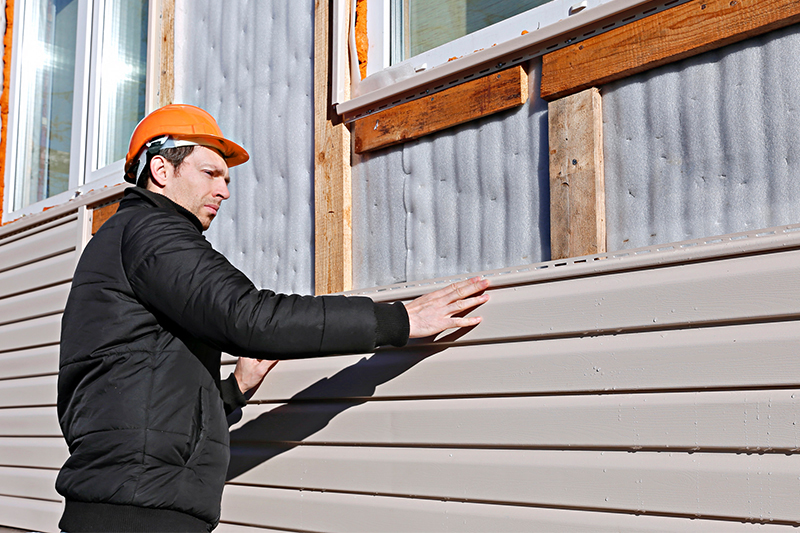
The siding on your house has one primary job: to protect your home from the weather. Over time, it can become damaged or undergo wear and tear that make it less effective at keeping out the elements. Sometimes, siding needs to be replaced entirely, but there are many cases in which siding can be repaired instead. In most cases, the difference between the need for repair and replacement is the extent of the damage. Look out for these signs that your siding needs to be repaired.
Top Siding Repair Indicators
The most common signs that you might need siding repairs are:
- visible damage
- warping or rot
- peeling or faded paint
- missing or rusty nails
- mildew or mold
- higher energy bills
- caulk damage or shrinking
- interior water leaks
- missing panels
Sign #1
The Siding Has Visible Damage

We have all experienced East Tennessee storms. When they roll through our area, or we’ve had a particularly windy day, it’s a good idea to spot-check siding to look for any damage. Falling limbs and wind can cause cracks, lift, or other damage to sections of your siding. Physical damage like this may be repairable rather than requiring replacement of the siding as long as the siding is otherwise in good condition.
Being able to see behind siding can mean this is a good time to assess the wall underneath. Seeing rot or other damage can indicate additional and pressing issues.
Damage doesn’t always occur as part of a storm. It’s a good idea to periodically check your siding for physical damage because things like off-target baseballs or cracking due to UV radiation. These issues can do a number on your siding.
Sign #2
The Siding Is Warped or Rotted

If you see panels of siding that are warped or rotted, you should repair or replace those panels as soon as possible. This is a sign that water has penetrated into the siding panels themselves. This means that the waterproof protective layer that is meant to shield your home from the elements isn’t doing its job as well. If water can get within the siding itself, then water may be able to get into your home and the foundations as well.
Sign #3
The Paint Is Peeling or Fading

If you notice that the paint is faded, peeling, or missing altogether on your siding, it’s time to first inspect the siding for other problems. Then, it’s time to repaint the siding. The paint plays a major role in keeping the siding waterproof and if it isn’t there, the siding won’t be able to protect your home as effectively.
Sign #4
The Nails Are Rusty or Missing

Nails are what keep your siding attached to the house. If they’re rusting or missing altogether, that’s a sign the siding panels aren’t firmly connected to the house. A strong windstorm could pull some of the siding off of your home, leaving it less protected from the weather. Usually, if the nails are rusting, the rust will bleed down the side of the house, discoloring the siding.
Sign #5
The Siding Is Mildewing

Mildew on your siding is another sign of water damage. It’s important to repair or replace siding as needed as quickly as possible so the water damage doesn’t extend further. Water damage that occurs inside the house can be even more expensive to repair than if the siding is repaired quickly.
Sign #6
Your Energy Bills Are Higher Than Normal
On top of protecting your home from the elements, siding also helps to keep cool or warm air inside the house. If your energy bills are higher than they normally should be for that time of year, then take a look at your siding. It’s possible that there’s some damage that you hadn’t noticed that is causing the cool or warm air to escape, making your HVAC system work harder to keep your house either cool or warm.
Sign #7
The Caulk Is Cracking or Shrinking

Caulk plays an important role in the overall function of the siding system. If you notice that it’s cracking or if it’s shrinking in-between siding panels, that’s a sign that repairs are needed. Water can get in between the caulk and cause water damage to the siding or even into the house.
Sign #8
There’s Water Damage Inside the House
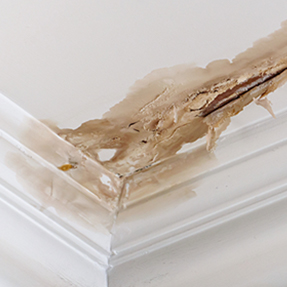
If you see water damage inside your home, it’s getting in from the outside somehow. If it’s coming from the ceiling, then it may be from an upper story or coming in through the roof. However, if the leak is happening elsewhere, such as on a wall or around a window, then it may be coming in due to a fault or damage to the siding.
Sign #9
Loose or Missing Siding Panels

If there are any siding panels that are obviously coming loose or that are missing altogether, the entire water-protection siding system is compromised. These siding panels need to be either properly reattached or replaced. For these larger siding repairs or replacements, you should contact a professional so that you know the job is done right.
If you believe your siding is too far gone to be repaired, it might be time to look at the siding options available to you — color choices, warranties, and other aspects that make Smith Roofing Knoxville’s go-to siding repair and installer.Does your siding need to be repaired?
Contact us and we will come out and help you determine if siding repairs are needed.
Contact us
Reach out to our team to schedule your free evaluation or get your questions answered.
